
Culinary thyme is a small woody perennial herb that often grows better in a sunny, free-draining pot than in a damp corner of a garden. The common mistake is to treat it like a thirsty leafy green, watering again before its roots have had a chance to dry. Success starts with a suitable container, loose potting media, enough light and a simple moisture check. Cold-season survival also depends on the cultivar, the container and your local winter, not just an outdoor hardiness-zone number.
Select a Culinary Thyme Instead of a Lawn Type
Thyme is a name used for several species and growth habits, including upright culinary thyme and low groundcover selections. For cooking, choose a clearly labeled edible culinary type with the fragrance and leaf size you want. Compact, woody plants with many fine leaves are typical of common thyme, while some ornamental creeping species spread as mats and may have different flavor or garden roles. Check the botanical name if the label is vague. One pot can produce plenty of sprigs for a kitchen without requiring a huge herb planting. Do not assume every decorative low-growing thyme sold for foot traffic has the same culinary characteristics.
Choose a Pot With Drain Holes and Adequate Volume
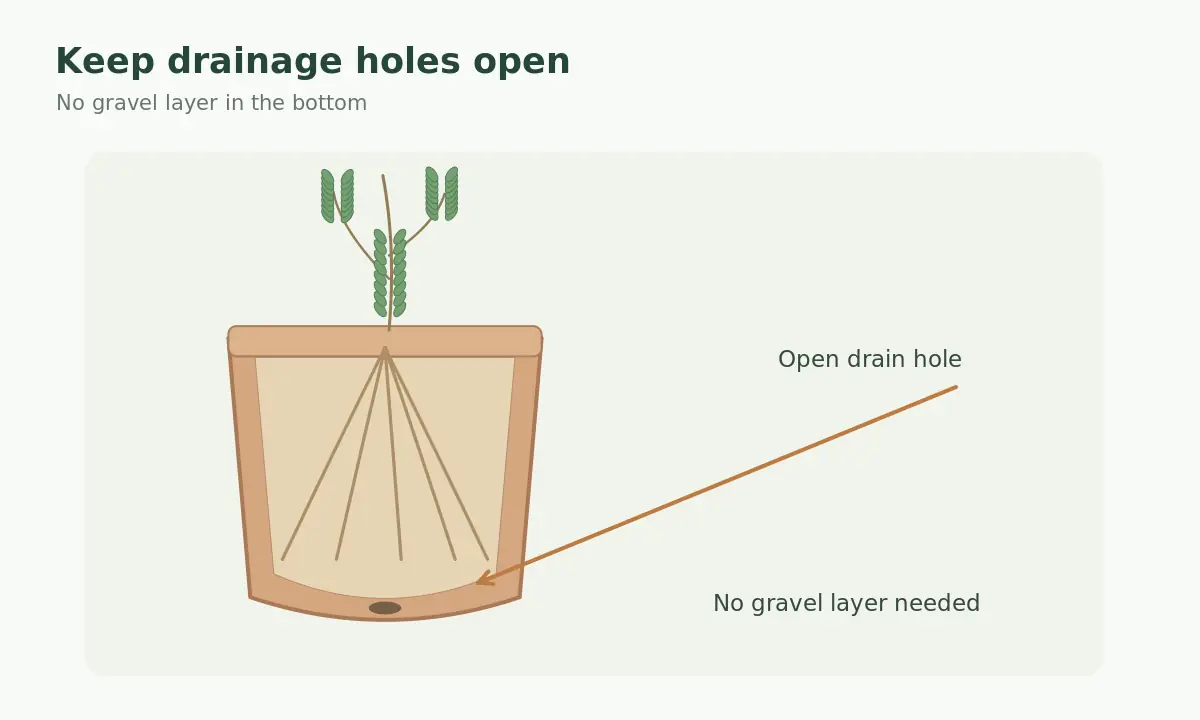
University of Maryland Extension lists roughly two- to five-gallon containers as workable examples for small herbs including thyme, though a young plant can begin in a smaller nursery pot and be moved up as roots develop. Pot proportions and drainage matter more than selecting an exact decorative shape. Choose a stable container with open drainage holes and room for new roots; avoid an oversized pot that stays wet for long periods around a small transplant. Lift the pot occasionally to check whether excess water can escape. Decorative cachepots without outlets should not retain standing water around an inner growing pot.
Use Light Potting Mix Instead of Garden Clay
Container roots require both moisture and oxygen. A high-quality, free-draining soilless potting mix is usually more suitable than dense soil dug directly from a bed. Maryland Extension recommends well-drained herb containers and notes that thyme is among the herbs that need to dry somewhat between watering. Do not add a gravel or pottery-shard layer to the bottom: Extension guidance explains that such a layer does not improve drainage and can reduce usable root space. If the commercial mix compacts or remains soggy, reassess the container and media rather than trying to compensate by abandoning watering for weeks.
Position Thyme Where It Gets Strong Sun
Most culinary thyme grows best in good sunlight. University of Maryland Extension describes many herbs as preferring at least six hours of sun in suitable outdoor sites. In very hot locations, a container may dry or heat excessively in an exposed reflective corner, so pay attention to the root-zone temperature and the actual condition of your plant. Indoors, a bright window or appropriate supplemental light is usually needed, particularly in winter. Long pale stems and weak fragrance may indicate insufficient light, although nutrition and cultivar also affect growth. Rotate a windowsill container as needed without repeatedly shocking it with abrupt changes between deep shade and intense sun.
Water Only After Checking the Root Zone
Do not follow an automatic daily watering schedule for thyme. Touch the mix below the surface and note the pot weight when it is freshly watered versus noticeably dry. When the root zone has dried enough for this herb, water thoroughly until excess drains, then empty the saucer. Maryland Extension specifically contrasts thyme and rosemary, which prefer drying between waterings, with basil and lettuce, which need more consistent moisture. A very small hot pot may need checking frequently, while a large pot indoors in cool weather can remain moist much longer. Drooping can result from either water stress or damaged roots; verify moisture first.
Keep the Crown Above the Finished Soil Line
Set a nursery-grown thyme plant at about the same depth it occupied in its original pot, with the stem bases and woody crown not buried deeply in new potting mix. Firm the mix gently around the rootball and water to settle it without packing the surface hard. Avoid piling decorative pebbles or thick soggy mulch against the crown. If roots circle tightly in the nursery pot, tease them carefully so they can expand outward. A plant placed much deeper than before may remain wetter around its woody base, increasing the chance of decline. Healthy drainage begins with both the pot and the way the plant is seated.

Harvest Tender Tips Without Stripping the Plant
Once thyme is actively growing and has enough foliage, cut short leafy sprigs rather than plucking every leaf off one branch. Snip near a leaf node to encourage more bushy growth where the stem remains green enough to branch. Avoid taking so much at once that the plant is left without sufficient leaves to recover. Use clean scissors, rinse harvested culinary material appropriately and discard damaged foliage. Small regular harvests can help prevent a very leggy appearance, but do not cut far into old, leafless wood expecting reliable new shoots from bare stems. Woody thyme usually responds best to moderate, repeated shaping. Our guide “Grow Sweet Marjoram in Pots for Fragrant Leaves and Repeat Harvests” adds more detail on this.
Watch for Overwatering Versus Summer Dryness
Yellowing leaves and dark, collapsing stems may follow persistently wet roots, whereas crisp leaf tips and very light dry mix can indicate extended drought. These symptoms alone do not establish a pathogen; inspect moisture, drainage holes, root condition and recent temperature changes before diagnosing a disease. Roots need air as well as water, so a saucer filled with rainwater can undermine even a good potting mix. Conversely, a terracotta pot in wind and hot sun may dry much faster than a plastic pot in shade. Correct the growing conditions first rather than applying unverified fertilizer or fungicide recipes to every stressed thyme plant.
Adjust Winter Care to the Container and Climate
A potted perennial is exposed to greater root temperature swings than an established plant in open ground. The winter survival of thyme depends on its species, cultivar, container, drainage and local weather. Some gardeners can keep a hardy plant outside in a protected place; others need to move a pot to a cool, bright protected site. Indoor warmth with weak light can promote lanky growth and pests. Reduce watering as growth slows, but do not let roots dry completely for prolonged periods. Local Extension advice and an actual forecast help more than assuming a hardiness zone guarantees a specific pot will survive every freeze. Our guide to growing rosemary in pots goes into more detail.

Repot and Refresh Only When the Plant Needs It
A woody thyme plant may stay in a suitable container for more than one season if drainage remains good and roots have space. Repot when growth slows because roots fill the pot, the media degrades or water begins running off an impenetrable rootball. Choose only a modest step up in container size. Examine and remove obviously dead stems with clean pruners, but avoid severe cutting into old wood. Separate thyme from consistently moist herbs in a mixed planter because their watering preferences differ. The best pot is one whose light, root moisture and growth can be monitored easily through the year.
Related Guides
- Growing Herbs by Type: Water, Harvest, and Winter Survival Guide
- How to Root Culinary Thyme Cuttings Without Rotting the Stems
- How to Grow Lemon Thyme in Pots and Harvest New Shoots Without Wet Roots
How We Research and Check the Recommendations
Our editorial process compared the plant-specific recommendations in university Cooperative Extension publications with general horticultural guidance, including information about growth stage, climatic limitations and safe handling. Claims were checked on October 23, 2026. Plant species, cultivars, exposure, regional climate, and local regulations can change the best action. This guide is educational, not a substitute for advice from a regional Extension specialist or a laboratory diagnosis.
Sources Used and Editorial Disclosure
Sources consulted and checked: extension.umd.edu: Two-to-five-gallon small herb containers, drainage holes, no gravel layer and thyme moisture needs. www.extension.umd.edu: Well-drained mixes, light needs, thyme drying between watering and indoor winter care. extension.umd.edu: Mediterranean herbs prefer sunny dry sites and excessive fertilizer can reduce quality.
Disclosure: No paid brand placement, approved affiliate recommendation or product sponsorship is claimed in this article. See the VegWin affiliate disclosure. Explanatory illustrations show typical plant structures and methods; follow plant-specific labels and current local guidance when making irreversible cuts or applying garden treatments.
No. Check moisture below the surface and water thoroughly only after the mix has dried appropriately.
No. A gravel layer does not improve container drainage and uses space that roots could occupy.
It can, but needs adequate light, well-drained media and less water during slow winter growth.
Possible causes include wet roots, poor drainage or other stress. Inspect moisture and root health before treating.
Wait until it has ample healthy growth, then take modest leafy tips without stripping the plant bare.