
Feverfew is a compact ornamental with many small, white-rayed flowerheads and bright yellow centers above scented, divided leaves. It is easy to mistake the little daisies for chamomile, but the two are not interchangeable plants. The practical decision is not just where to sow: you also need a plan for removing fading heads before a self-seeding colony spreads beyond the intended bed. Identify the plant, start it in free-draining soil and keep seed formation under observation.
Confirm feverfew before collecting or sowing seed
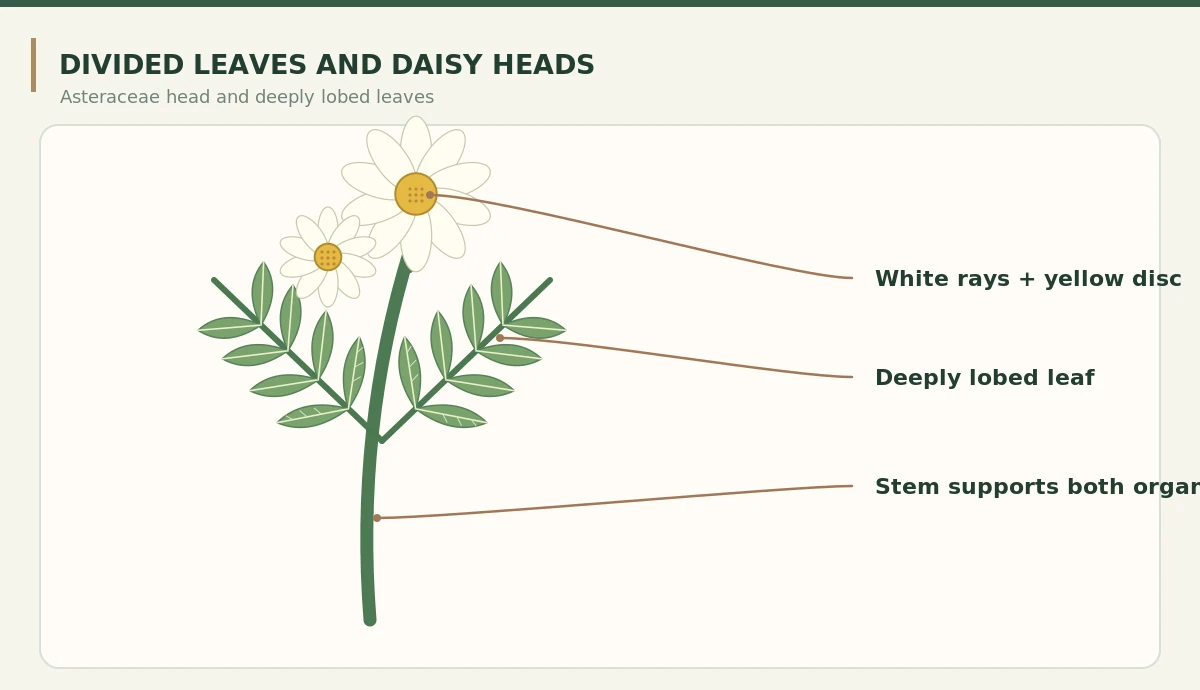
Use the botanical name Tanacetum parthenium when choosing a packet or accepting seed from another gardener. Its aromatic green leaves are deeply lobed and can look rather fern-like, but they are not the narrow threadlike leaves of German chamomile. Small heads are grouped at branch tips; most ordinary single-flowered forms have white ray florets around yellow disc florets. Some cultivars have double heads, so seed-grown offspring may differ in appearance from a named parent.
Do not use flower shape as evidence that a plant is safe to eat. This guide addresses ornamental cultivation, not feverfew supplements or medicinal use. NC State flags potentially harmful properties, and the RHS notes that handling may irritate skin. Wear gloves if sensitive, wash after pruning and do not offer plant parts to children or pets as an edible herb.
Choose a sunny bed with drainage and room to check seedheads
Feverfew flowers well in sun and tolerates a range of ordinary soils when water can drain freely. Avoid a spot that remains wet after rain. In heavy ground, improve structure or grow a modest cluster in a raised, well-drained area rather than planting into a sump. Set the growing place where you can reach stems with snips; a far corner is harder to monitor when heads turn from bright white to papery brown.
Plan the final footprint rather than sowing a carpet of seeds. Feverfew is short-lived in some gardens and may maintain itself by shedding seed. That can be useful in a controlled informal border, but in mixed beds it may crowd seedlings of more deliberate plantings. Leave a path to inspect flower clusters regularly and decide in advance where volunteer plants would be welcome.
Sow lightly in spring and track the actual soil surface
The RHS lists sowing in place in spring as a propagation method. Prepare a fine, level seedbed and remove vigorous weeds before distributing seed thinly. Press seed into good contact with the surface, using the seed packet for any species- or supplier-specific covering instruction. Avoid placing the seeds beneath a thick layer of mulch or burying them at an invented depth. Water gently so seed is not washed into clumps.
A small labeled starting area helps distinguish desired seedlings from nearby volunteers. If seed is started in a container, use a clean mix and drainage openings, then move rooted seedlings with their soil intact when conditions are suitable. The calendar should follow local frost and ground conditions rather than an assumed USDA zone planting date. Keep the germination area evenly moist, not saturated.
Identify divided foliage and thin without tearing neighbors
Early sprouts do not look like flowering feverfew. Wait for the developing true leaves: these become lobed and increasingly resemble the plant on the packet. Weed cautiously until the leaf pattern is clear. If several plants crowd together, snip surplus seedlings at the soil line instead of pulling the entire cluster and disturbing the roots of those you want to keep.
Transplants should sit at approximately their original growing depth, with their crown neither deeply buried nor exposed by erosion. Once established, water through dry periods while allowing air to enter the soil between soakings. Do not feed excessively to force an oversized soft plant; watch overall vigor and flowering response rather than chasing an arbitrary fertilizer schedule.

Recognize flower clusters before seed develops
A feverfew flowerhead is a composite: what looks like one daisy consists of white ray florets and central yellow disc florets. Several small heads arise on branched stalks above the divided leaves. When rays are fresh and white, the display is at its showiest. As flowers age, rays wilt or drop and the central portion dries; this is the stage to monitor before seeds are dispersed.
If pollinators are visiting, you can leave some blooming stems until they begin fading, then remove them promptly. The goal is to distinguish flowers that are still decorative from fully dry heads likely to release seed. A gardener wanting a few volunteer seedlings can designate one controlled portion of the bed and remove the rest.
Deadhead above live foliage without removing the whole crown
Follow the fading cluster down to a firm living branch with leaves. Use clean snips to remove the spent flowering section above a leafy junction rather than clipping into the crown or leaving a long bare stump. The illustrated cut point is on the flowering stalk: it is not a cut through a root, leaf blade or healthy seedling. Work from the outside of the clump inward so you do not accidentally take all leafy growth.
Bag unwanted dry heads before they shake into the planting bed. Composting viable seedheads may spread volunteers if the pile does not heat sufficiently, so dispose of them according to local garden-waste rules. Revisit the bed through the flowering season; a single pruning is not always enough when branches flower at different times.
Handle volunteers, pests and seasonal dieback sensibly
Self-sown feverfew may appear where you least expect it, especially in open soil. If unwanted, remove small seedlings before roots establish; where useful, transplant them with a small soil plug. Inspect plants for aphids and leaf damage, but do not assume every blemish requires pesticide. First verify the pest and consult local integrated pest management advice for realistic thresholds.
After flowering, stems can be cut back where the plant remains vigorous. In cold seasons foliage may die back, but the fate of an individual clump depends on site and climate. Mark its position rather than cultivating blindly through the crown. The aim is a tidy ornamental with deliberate seed dispersal, not a promise that every plant will remain perennial forever.

Quick troubleshooting for weak flowering or too many seedlings
Few flowers on lush, lank growth can indicate insufficient direct light or excessive crowding. Look at the exposure, drainage and competition before adding feed. Floppy stems after rain may need selective support, but repeatedly wet crowns are a different problem. If young leaves are yellowing, inspect moisture and roots before blaming an insect that has not been found.
An outbreak of scattered seedlings usually reflects mature heads being left to shed seed. Change the deadheading schedule, not the sowing depth of unrelated crops. Photograph the leaf shape and flowering cluster in future seasons to confirm identification. A useful garden record includes spring sowing date, first flowers, first dry heads and whether you kept any volunteer plants.
How We Research and Verify Our Garden Guidance
We reviewed primary horticultural and university Extension sources on 2026-10-29: www.rhs.org.uk; plants.ces.ncsu.edu. The illustrations explain the anatomy and decisions described in those resources; they are educational botanical artwork, not photographs or a claim that every cultivar grows identically. We cross-checked this distinct topic against the user-supplied WordPress article list and earlier VegWin batches. Local soil, climate, provenance and actual plant condition still determine practical decisions.
This article contains no sponsored recommendations or paid product links. See the VegWin affiliate disclosure for site policy. Follow current local Extension or IPM guidance before using any pest control product; no specific pesticide rate or medical benefit is recommended here.
No. Feverfew is Tanacetum parthenium; identify botanical names rather than relying on a small white daisy shape.
Yes. RHS lists spring sowing in place. Follow local conditions and the seed packet for covering guidance.
It can self-sow vigorously. Remove drying flowerheads before they scatter seed if that is unwanted.
Snip a spent cluster on its stalk above healthy foliage, keeping the main living crown intact.
Do not treat feverfew as a casual salad herb; potential harmful effects and skin irritation are noted by authoritative plant references.