
Garden sorrel adds a sharp, lemony bite to a meal, and its perennial crown can keep making leaves long after a quick annual salad mix has finished. It also grows in containers, which makes it easier to give the roots cool, even moisture and to control unwanted seedlings. First be sure the plant is a culinary Rumex sorrel such as common sorrel, French sorrel, or red-veined sorrel: the unrelated wood sorrels in the genus Oxalis should not be substituted just because a seller uses the same common name. The Royal Horticultural Society describes regular harvesting of young foliage as the way to keep quality high. The main gardening challenge is balancing drainage with moisture through warm spells, then managing flower stalks and winter dormancy without drowning the crown.
Identify Which Culinary Sorrel You Are Growing
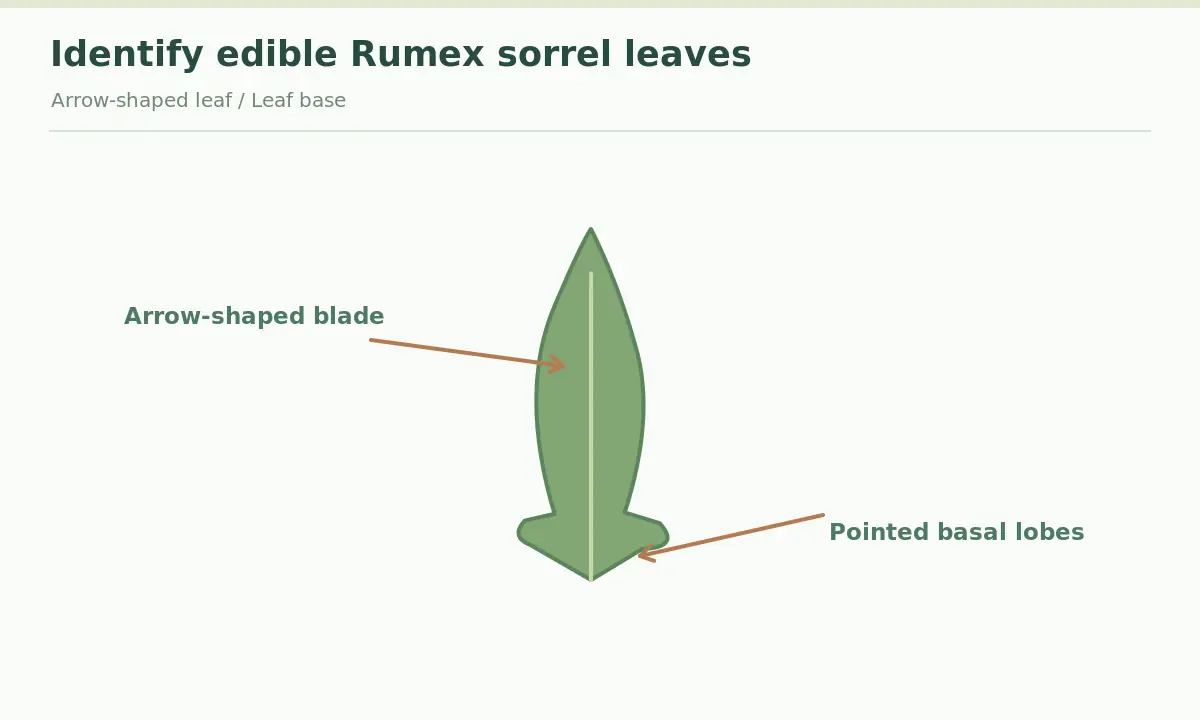
Common sorrel, Rumex acetosa, typically has arrow- or spear-shaped leaves, often with pointed basal lobes. French sorrel, Rumex scutatus, has a lower sprawling habit and often softer shield-like gray-green foliage. Red-veined sorrel, Rumex sanguineus, is readily recognized by red branching veins on green leaves. RHS describes these as different culinary sorrels, which matters for how large a plant becomes and how attractive leaves look in a container. None should be confused with Oxalis wood sorrel or with unrelated ornamental plants bearing the same casual name. Use nursery labeling and a reliable botanical description for identification before eating any leaves. If identification remains uncertain, grow the plant ornamentally until it is verified instead of experimenting with foraged foliage.
Choose a Pot With Room and Open Drainage
A container with open drainage holes and enough volume to hold a growing perennial clump is more forgiving than a tiny decorative cachepot. Fill it with a quality moisture-retentive but free-draining potting medium; heavy garden soil often compacts inside pots and limits air around roots. Start with an appropriately sized pot rather than an enormous container that stays wet around a small crown. If using a decorative outer pot, empty collected runoff. Do not rely on a gravel layer to cure blocked drainage. A pot set in constant hot reflected sun can dry extremely quickly, while a dark unventilated pot in a cool corner may remain soaked for days. Select a position where both the crown and soil can be inspected regularly.
Position the Crown at Its Existing Soil Level
Set a purchased sorrel plant so the center from which new leaves emerge is near the same soil level it occupied in the nursery container. Keep that leaf-producing crown free of buried mulch and excess mix. Gently loosen circling roots only if necessary, settle the plant into its hole, firm around the edges, and water until excess drains from the pot. A rooted division should likewise have leaves and active buds above the surface, with roots spread into the medium beneath. Do not bury stems simply to make a leggy plant look shorter. Planting depth is a different question from the depth at which seed is sown; for seed, follow the species-specific packet rather than pressing every tiny seed deeply into a wet pot.
Choose Sun or Part Shade to Match Your Climate
RHS notes sorrel tolerates sun and partial shade. In cool regions, brighter sites can produce healthy foliage; in hot regions, afternoon shade can help limit leaf scorch and slow drying. The plant prefers reliable moisture but not waterlogging. Watch the pot through several days of weather rather than making decisions solely from an indoor calendar. If leaves droop at noon but recover in the evening, check soil moisture before adding water. If leaves wilt in persistently wet mix, roots may be oxygen-starved rather than thirsty. Rotate a pot occasionally if all growth leans toward a light source. Provide space around leaves so they dry and remain easy to inspect for aphids, snails, or leaf damage.

| Situation | Better approach | Avoid |
|---|---|---|
| Arrow-shaped leaf | Position the Crown at Its Existing Soil Level | Skipping a species or growth-stage check |
| Drain holes | Water the Root Zone Without Keeping It Saturated | Relying on a rigid date or depth for every situation |
| Tender outer leaves | Divide Congested Plants Before They Decline | Removing useful living tissue unnecessarily |
Water the Root Zone Without Keeping It Saturated
Feel the mix beneath its surface, then water thoroughly when it is beginning to dry but before the entire root ball becomes bone dry. The frequency varies with pot size, wind, leaf area, heat, and the medium itself. Empty saucers after watering. In hot weather check more often; in cool dormant conditions reduce watering and prevent a pot from sitting in winter rain. A pale crust on top of the mix does not prove dryness deep at the roots. RHS specifically warns that containers may dry quickly in warm conditions but can waterlog in winter. If a plant repeatedly wilts despite very wet medium, inspect root health and drainage rather than adding water or fertilizer. Maintaining steady moisture is the practical goal, not following an inflexible daily dose.
Harvest Young Outer Leaves and Preserve New Growth
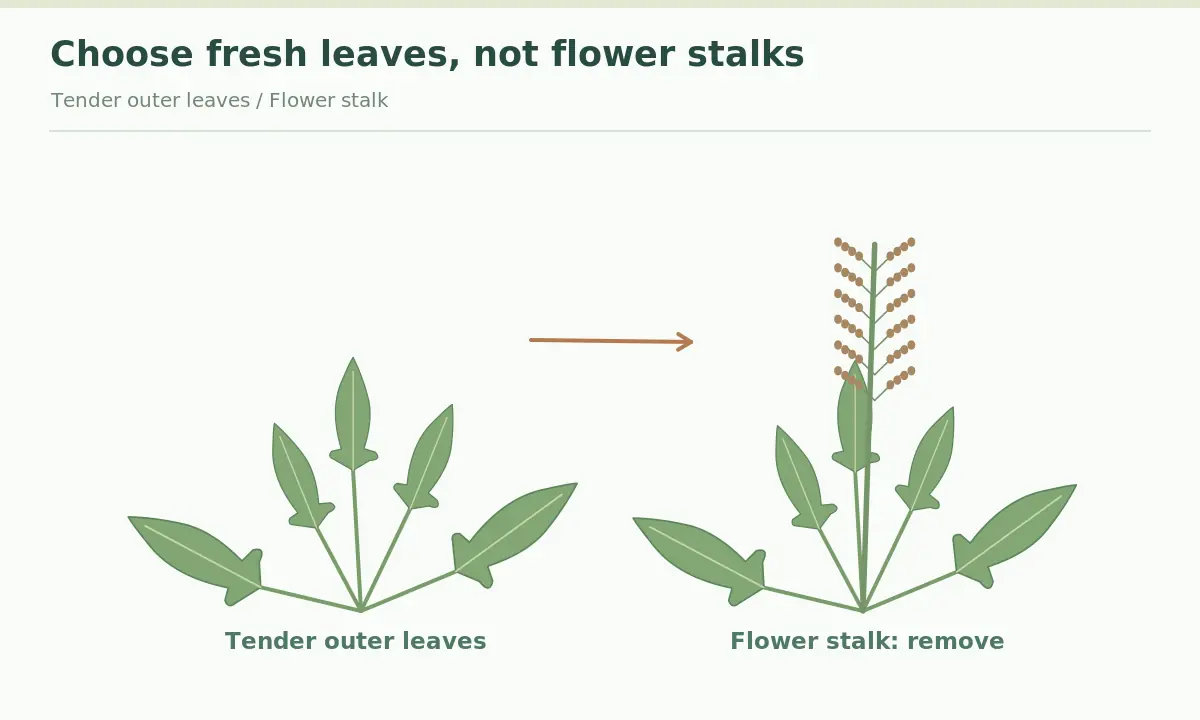
Once a plant has a vigorous rosette, snip or gently pick young, tender outer leaves, leaving the small central leaves intact. Use clean scissors to avoid pulling a whole crown out of loose potting mix. Regular small harvests encourage more young foliage and give better texture than waiting for a flush of very old leaves. RHS describes sorrel as a useful cut-and-come-again green. Leave enough expanded foliage for photosynthesis, particularly when plants are young or recently divided. Remove yellow or badly damaged leaves separately from edible cuttings. Refrigerate cleanly handled greens promptly and use them fresh when possible. For a strong lemony accent in a dish, a few leaves may be sufficient; the plant does not need to be stripped every week to remain worthwhile.
Remove Flower Stalks When Leaf Quality Is the Goal
Sorrel eventually sends up upright flower stems, especially when conditions favor reproduction. A thickening central stem with small flowers is not an oversized tender leaf. As that stalk develops, energy can shift away from leaf quality and some foliage becomes coarser or more bitter. Illinois Extension recommends removing seed stalks from French sorrel when they appear, and RHS notes that flowering can increase unwanted self-sowing. Snip the stalk near its base without cutting through the crown or all adjacent leaves. Gardeners who want seed may leave selected stalks but should expect more volunteers around a bed. Removing flowers does not guarantee constant regrowth through extreme heat; shade, watering and species response still determine how productive the pot remains.
Divide Congested Plants Before They Decline
Sorrel is perennial, so clumps may become crowded over several years. RHS suggests dividing established plants periodically, while Illinois Extension describes division of French sorrel every few years to maintain vigor. Select a suitable cool season when plants are actively recovering rather than during extreme heat. Lift the root mass, locate sections with visible growing buds and healthy roots, and separate into manageable pieces with a clean knife if necessary. Replant each division with its crown at the same level as before. Provide moderate moisture while new roots establish but keep the pot drained. Division is also a chance to renew exhausted container mix and remove dead root fragments. Do not divide a tiny, weak plant solely because a printed calendar says its anniversary has arrived.
Use Leaves Mindfully and Account for Oxalates
The tart flavor of Rumex sorrel comes partly from organic acids, including oxalic acid. Illinois Extension cautions that high oxalate intake may be inappropriate for people with certain health conditions. Treat sorrel as a flavoring green, use reasonable portions, and seek individualized medical advice when a kidney-stone history or another condition requires limiting oxalates. Do not make medicinal claims about it. Positive plant identification is mandatory; never eat an unknown sour-tasting weed simply because it resembles the potted herb. Wash leaves thoroughly, especially those harvested after rain or near the soil surface, and handle them with normal produce safety practices. Discard leaves exposed to unknown pesticide residues or other contamination rather than trying to wash away a hazardous uncertainty.
Manage Seasonal Slowdowns and Potential Self-Seeding
In cooler climates sorrel may die back or slow sharply in winter and resume from its crown in spring. A pot experiences larger temperature swings than soil in a garden bed; container roots may need local winter protection that an established in-ground planting does not. In a mild winter, plants may retain some leaves, but slower light conditions still reduce growth. Stop taking heavy harvests when leaves are scarce. Clean dead foliage and check drainage after repeated rain. A dry, dead-looking top does not necessarily mean a perennial crown is dead: check for firm living buds as weather warms. If self-sown seedlings appear, verify identity before keeping them and remove extras before they fill every pot. A simple record of weather, leaf harvest and new growth is more useful than an arbitrary zone-based harvest schedule. For the fuller picture, see our guide “Grow Garden Sorrel and Manage a Perennial Leaf Harvest”.
Related Guides
- Vegetables in Pots: Match Crops, Container Volume, Sun, and Water
- How to Grow Common Sorrel in Pots and Harvest Young Leaves
How We Research and Verify This Guidance
Sources checked on 2026-10-24: www.rhs.org.uk — RHS edible sorrel guide: species, containers, regular picking, flowering and care; extension.illinois.edu — Illinois Extension: French sorrel leaf and rosette shape, ongoing harvest and oxalic acid consideration; www.rhs.org.uk — RHS cut-and-come-again guidance for sorrel and other greens. We compared identification and practical growing guidance, selected recommendations tied to observable plant or pest stages, and avoided translating regional examples into a universal U.S. calendar. The illustrations are simplified educational drawings, not life-size botanical plates. Local climate, species, cultivar and growing conditions should be checked before acting.
Disclosures, Safety, and Regional Differences
This is general educational gardening information, not personalized medical, agricultural, or pesticide advice. No endorsement, paid relationship, or affiliate arrangement is claimed in this article. See VegWin’s affiliate disclosure. Follow your local Cooperative Extension and legally required pesticide labels when applicable. USDA hardiness zones are not a sowing or pruning calendar, and no invented fertilizer or chemical application rates are supplied.
Yes. Culinary Rumex sorrels are perennials; drainage, seasonal protection, and occasional division help keep clumps productive.
Sun or partial shade can work; some afternoon shade helps during hot summers when containers dry fast.
Pick young outer leaves and preserve the central crown and some expanded leaves for continued growth.
It is entering its reproductive phase. Remove stalks early when you want tender leaves and fewer unwanted seedlings.
Sorrel contains oxalates, so use sensible portions and get medical guidance if health conditions require an oxalate-restricted diet.