
Culantro is not a misspelling of cilantro. The tropical herb Eryngium foetidum begins as a compact rosette of long, narrow, saw-edged leaves, not the delicate divided foliage of coriander. When gardeners bury its tiny propagules too deeply, use exhausted seed or allow a seed tray to dry, they may give up before the slower seedlings appear. UF/IFAS notes an emergence period of roughly three weeks, while propagation research shows that the germination process can be irregular. The approach below keeps the seeds near the light and moisture they need, and follows the seedlings through the first recognizable leaves.
Identify Culantro Before You Start Sowing
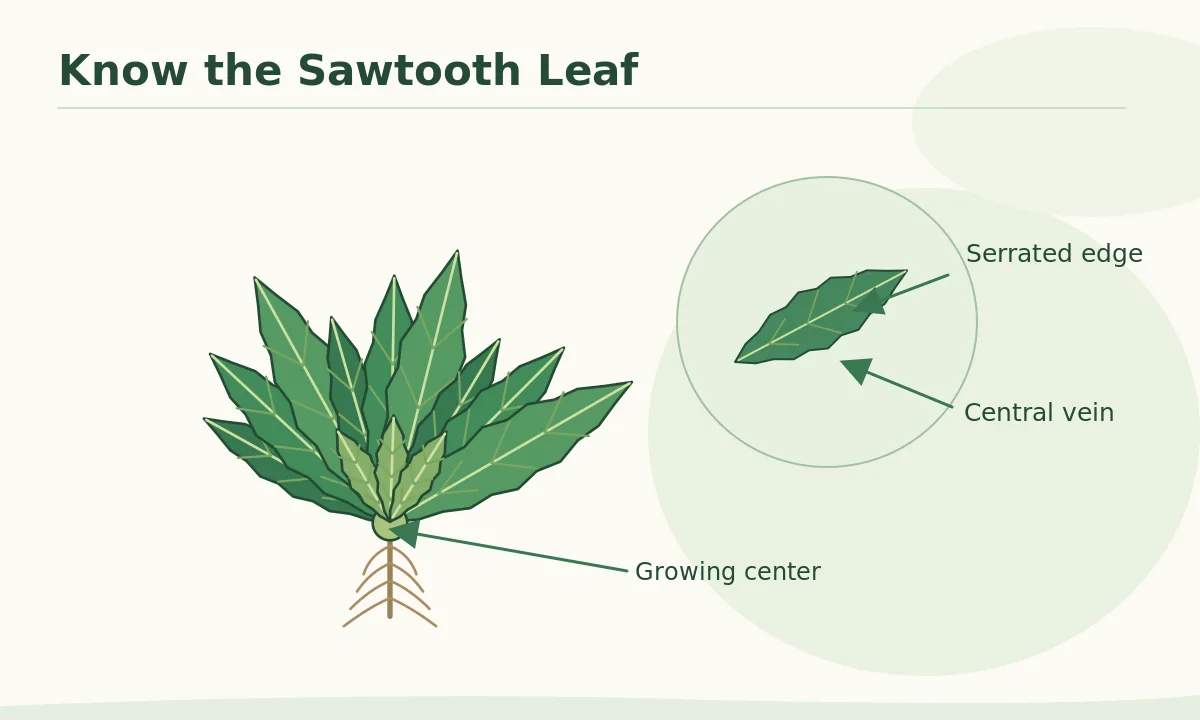
Read the seed packet’s scientific name. Eryngium foetidum is culantro, also called sawtooth coriander or recao, while Coriandrum sativum is cilantro. Both have aromatic foliage, but mature culantro forms a ground-hugging rosette of straplike, toothed blades, often with a pronounced central vein. Cilantro has rounded and then finely dissected leaves arranged along branching stems. The difference matters because sowing schedules and the appearance of young plants are not interchangeable. Label the tray with the full botanical name, not merely ‘coriander.’
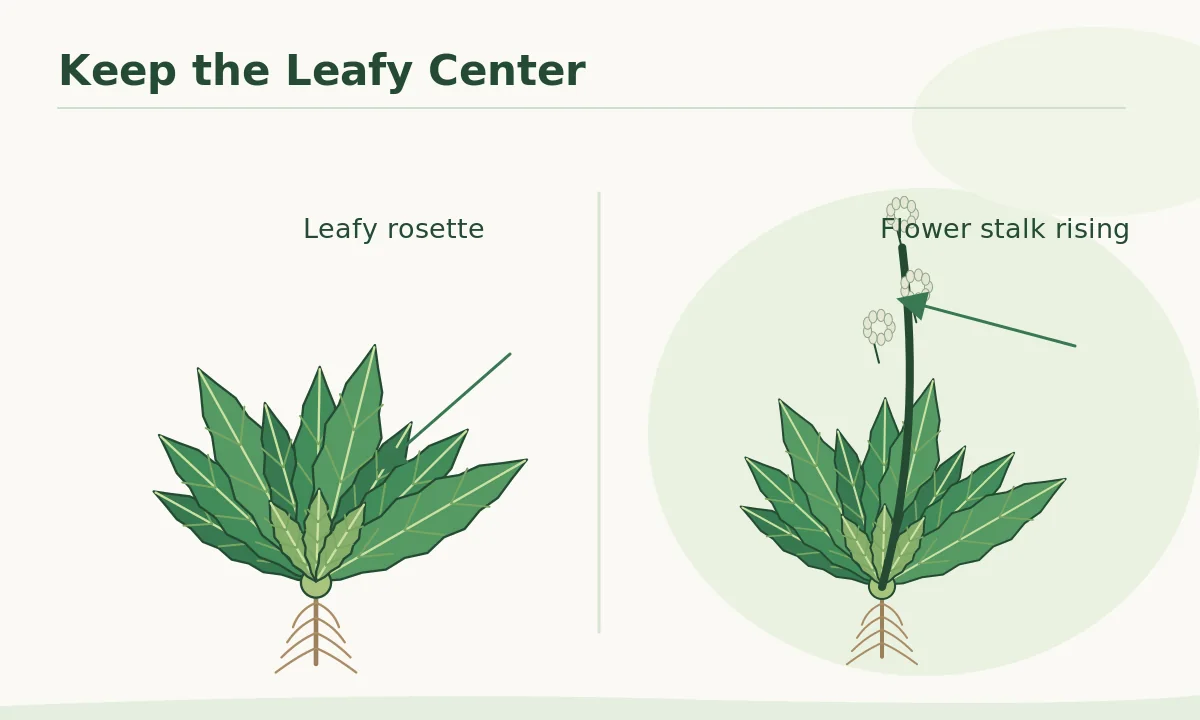
Culantro eventually produces a branched flowering stalk with small, pale, prickly-looking heads. That flowering architecture is not a sign of an unfamiliar weed if it comes from an established labelled rosette. However, production of tough flowering stems usually reduces the value of the plant for tender culinary leaf harvest. The first illustration distinguishes a single toothed basal leaf and a central growing point; it does not show parsley-shaped leaves or a conventional carrot-family umbrella as the edible foliage.
Choose Fresh Seed and a Gentle Medium
Choose viable seed from a supplier naming the species and showing a recent packing date. Fill a shallow tray or small cells with a fine, free-draining seed-starting mix; avoid garden soil that compacts into a hard crust. Pre-moisten the mix evenly before scattering seed so that a subsequent watering does not wash the tiny pieces into a corner. A transparent cover can slow evaporation, but it should never seal the tray into stagnant, dripping conditions. Leave space for air exchange and inspect the surface frequently.
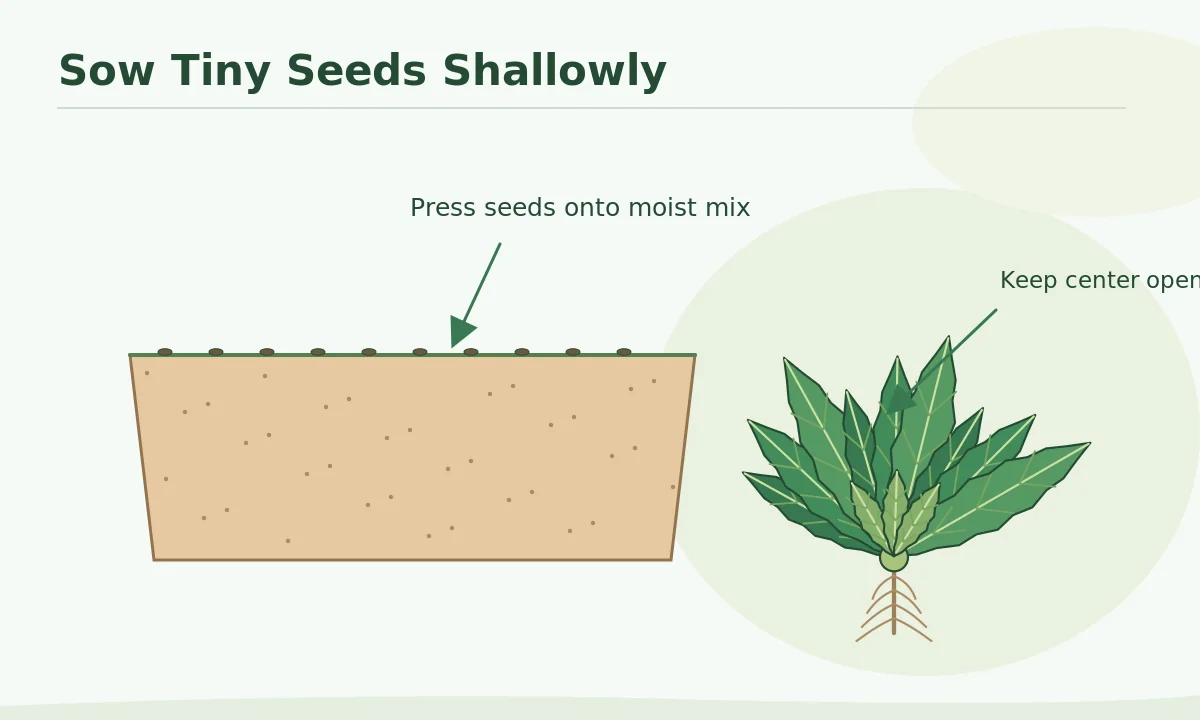
Unlike a large pea or bean, a tiny culantro propagule does not benefit from being pushed deep into the compost. Place it on the firm, moist surface and press gently into contact. A dusting of fine mix can be used only if the packet requires it; keep it very thin rather than measuring a deep hole. Use a gentle mist or bottom watering to avoid displacement. The primary goal is contact plus even moisture, not a precise universal depth unsupported by the variety and source.
Give the Tray Warmth Without Scorching It
Keep the seeded tray warm and bright but protected from hard midday sun. A windowsill that bakes the surface can create a dry crust even when the lower mix feels damp, and cold nighttime glass can slow germination. UF/IFAS describes culantro as a shade-preferring herb once established; that does not mean a dark cupboard is the best nursery. Bright filtered light allows you to monitor seedlings, while gentle warmth supports the tropical crop without cooking the seed. Follow any temperature guidance from a reliable supplier for the specific seed lot.
Check moisture with the tip of a finger or by lifting a small pot. If the surface lightens and pulls away from the edge, rewet it gently; if the container stays saturated and smells sour, improve ventilation and drainage. The first green points may appear over a range of days rather than all at once. Research on this species documents uneven germination, so a tray that has only a few seedlings after two weeks need not be thrown away. Avoid repeated digging to inspect individual seeds.
Recognize the Early Rosette and Thin Carefully
Once seedlings emerge, give them enough filtered light that they do not lean into long, weak stems. The first seed leaves are not yet a dependable field-identification key. Wait for true leaves to acquire the characteristic narrow blade and increasingly noticeable serrated edge. A young culantro does not have to resemble a full supermarket bunch. Compare the center of the little rosette with the close-up diagram and keep labels until mature foliage confirms identity.
Thin crowded cells by cutting surplus seedlings at the compost surface rather than tugging them from beside a keeper. Pulling a neighboring plant can damage the small central root and growing point you are trying to preserve. If the seedling sits in a cell, wait for a cohesive root plug before potting on. Tip the plug out with its mix intact, then set it at the original level in a slightly larger pot. Never mound compost across the central leaf whorl; that center must remain visible and able to produce new leaves.
Grow a Leafy Plant in Filtered Light
Move healthy transplants to a site with reliably moist, well-drained soil and protection from harsh afternoon sunlight. UF/IFAS describes culantro as particularly comfortable in shade and notes that shading can delay flowering. In a hot garden this can be achieved beside taller crops or on a bright patio that receives morning light. A pot makes the moisture easier to observe but dries more quickly around its sides. Water at the soil rather than routinely wetting and packing the central whorl of leaves.
The correct rhythm is steady but not sodden moisture. A flooded container limits oxygen to roots; a bone-dry container can stall foliage and encourage premature stress responses. Mulch lightly around, not over, the crown if the location dries quickly. Some plants will still initiate flowering with age or long bright days. Remove the flowering stalk if the aim is tender leaves, recognizing that pruning cannot always reverse a strongly bolting plant. Grow replacement seedlings if the older clump has become coarse.
Harvest Outer Leaves and Protect the Crown
Choose the outermost established leaves, grasp each near its base, and snip it while keeping the compact inner center intact. This leaves young leaves developing, which is more productive than cutting a plant flush with the compost. UF/IFAS specifically favors removal of older leaves closest to the base. Harvest a modest amount at one time from small seedlings, and allow recovery before taking more. Do not mistake the pointed leaf tip for the growing point: the plant’s active center is at the base of the rosette.
Culantro’s strong flavor means a little often goes a long way in cooking. Wash edible foliage in clean running water and use it promptly; UF/IFAS notes that the leaves do not store particularly well. Avoid preparing medicinal extracts based on folk claims: this guide addresses cultivation and culinary identification only. If your plant develops unexpected spotting, root collapse or an unfamiliar appearance, do not assume its identity from odor alone; compare the leaf architecture and labelled source first.
Solve Slow Germination Without Guesswork
If few seeds sprout, review the factors in a useful order: first seed age and species identity, then surface moisture, warmth, drainage and light. A failure can result from a dried surface even when watering has been frequent, or from saturated stagnant mix that prevents healthy roots. Record the sowing date and check the packet’s expected window before restarting. Different lots vary, so do not apply unverified chemical seed treatments or caustic scarification procedures seen in laboratory research to home trays.
For a comparison test, start a second small labelled cell group with fresh seed, the same moist medium and a calmer, filtered-light location. Hold all other conditions constant so the comparison actually teaches you something. When one treatment emerges better, adjust the next sowing rather than transplanting weak seedlings prematurely. Keep the surviving plants with their crowns above the soil line; correct root handling and patient emergence are usually more useful than any aggressive germination shortcut.
Related Guides
How We Research and Verify These Steps
We checked the following horticultural guidance on 2026-10-27: gardeningsolutions.ifas.ufl.edu — UF/IFAS describes culantro as a serrated-leaved rosette preferring moist well-drained soil and shade, and reports germination around three weeks. www.nparks.gov.sg — Singapore NParks identifies Eryngium foetidum by its basal rosette, oblanceolate toothed leaves, taproot, and response to semi-shade. www.mdpi.com — Greenhouse research on Eryngium foetidum documents variable seed germination and the need for consistently moist propagation media. Climate, species and cultivar details are interpreted cautiously; this is a practical gardening guide, not a guarantee of performance in every region.
There is no paid product endorsement in this guide. Read the site-wide affiliate disclosure for details about how VegWin handles relationships and recommendations.
No. Culantro is Eryngium foetidum, a toothed-leaf basal rosette; cilantro is Coriandrum sativum with different foliage.
UF/IFAS says around three weeks is common, but germination can vary by seed lot and conditions.
No. Press the small seed into moist fine mix and avoid a heavy cover; follow the supplier’s specific instructions.
Filtered light or partial shade is generally helpful in hot climates; give young seedlings bright, gentle light.
Snip mature outside leaves while leaving the central growing point and younger leaves untouched.